
Alzheimer’s disease is the most common cause of dementia and is a progressive neurological condition that affects memory, thinking, communication and behaviour over time. Although symptoms usually develop gradually, the condition can eventually affect a person’s ability to manage everyday activities independently. Common signs include increasing memory loss, difficulty recognising familiar people or places, problems finding the right words, confusion about time and dates, difficulty making decisions, misplacing belongings, changes in mood or personality, reduced confidence and challenges completing familiar tasks. While there is currently no cure, specialist home care can help individuals remain independent for longer and continue living safely in familiar surroundings.
Our Complex Care service supports adults living with neurological conditions, acquired brain injuries, spinal cord injuries, multiple sclerosis (MS), motor neurone disease (MND), cerebral palsy, muscular dystrophy, Parkinson’s disease, stroke-related disabilities, respiratory conditions, progressive long-term illnesses and multiple complex health conditions. Whether support is needed for a few hours each week, overnight or around the clock, we provide flexible, person-centred care tailored to each individual’s circumstances and clinical requirements.
Every individual has unique clinical needs, personal preferences and life goals. Before care begins, we carry out a comprehensive assessment covering medical history, current treatments, mobility, communication needs, nutrition and hydration, risk factors, the home environment, personal routines, family involvement and desired outcomes. Using this information, we develop a personalised care plan that evolves alongside changing health needs while promoting independence, dignity and the highest possible quality of life.
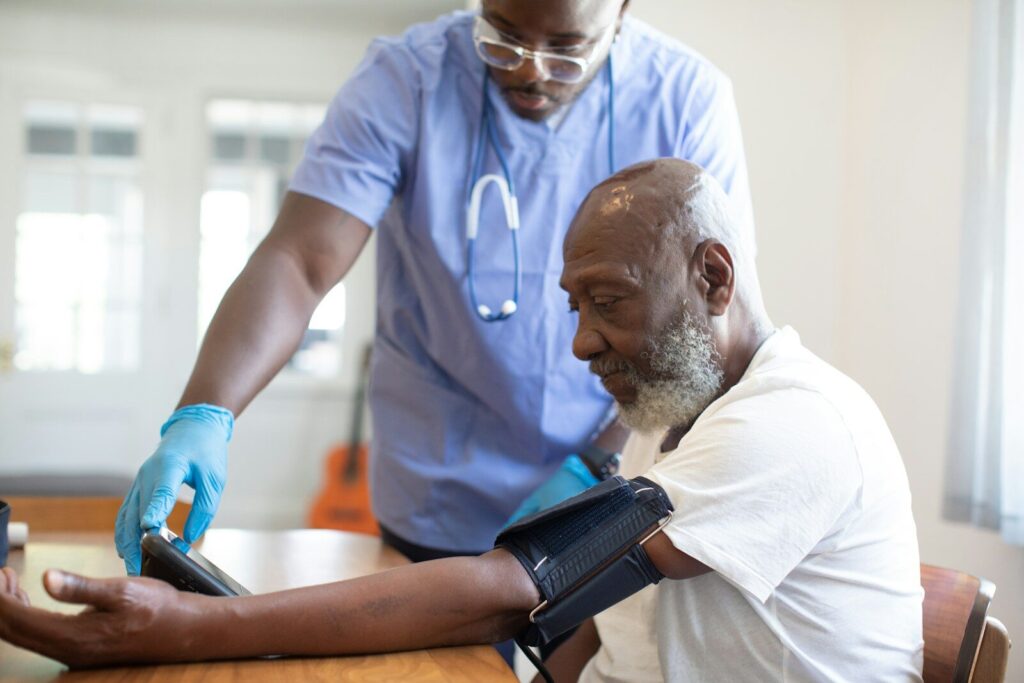
Our carers receive specialist training to deliver complex care safely and confidently while working within agreed care plans and organisational policies. Depending on individual needs, support may include personal care, medication support, mobility assistance, nutritional support, clinical observations, specialist equipment assistance, ongoing health monitoring, detailed record keeping, emotional wellbeing and companionship. Where required, we work alongside registered healthcare professionals to ensure safe, coordinated and effective care.
For individuals living with a tracheostomy, our trained care professionals provide support in accordance with personalised care plans and clinical guidance. This includes assisting with daily tracheostomy care routines, cleaning and maintenance procedures, monitoring respiratory wellbeing, identifying and reporting concerns, supporting the safe use of prescribed equipment and responding appropriately to emergencies in line with training and agreed protocols. All care is delivered in partnership with the individual’s clinical team to promote safety, comfort and confidence.
Our carers provide carefully managed support for individuals receiving nutrition through a Percutaneous Endoscopic Gastrostomy (PEG) tube, following individual care plans and professional clinical guidance. Support includes preparing prescribed feeds, assisting with feeding routines, maintaining hygiene around the PEG site, monitoring for potential concerns, recording observations and promptly escalating any changes to healthcare professionals. Every aspect of care is delivered by appropriately trained staff working within their professional competence.
We provide respectful and professional catheter care support to help maintain comfort, dignity and reduce the risk of complications. Our carers assist with catheter bag care, hygiene, monitoring fluid output, observing for signs of infection or blockage, reporting concerns promptly and promoting comfort and independence, always following clinical guidance and the individual’s personalised care plan.
Many people receiving complex care require specialist support with movement and positioning. Our carers assist with safe transfers, hoisting where appropriate following assessment, repositioning, pressure area care, the safe use of mobility equipment, falls prevention, posture management and maintaining comfort throughout the day. Our approach focuses on promoting safety while encouraging independence wherever possible.
Complex health conditions often involve carefully managed medication routines. Our carers provide medication reminders, administration support in accordance with agreed care plans and training, ongoing wellbeing monitoring, accurate recording of observations and prompt escalation of concerns where necessary. We recognise the importance of safe and consistent medication management in achieving positive health outcomes.
Good nutrition and hydration are essential for maintaining health, supporting recovery and promoting wellbeing. Our support includes meal preparation, assistance with eating and drinking, PEG feeding where appropriate, hydration monitoring, following prescribed dietary guidance and recording nutritional intake when required, ensuring every individual receives personalised nutritional support that reflects their clinical needs.
Delivering outstanding complex care requires close collaboration with healthcare professionals. We work alongside GPs, community nurses, specialist nurses, consultants, occupational therapists, physiotherapists, speech and language therapists, dietitians, hospital discharge teams, case managers and local authorities to ensure care remains safe, coordinated, responsive and aligned with the individual’s clinical goals.
Safety and quality underpin every aspect of our Complex Care service. We provide comprehensive care planning, detailed risk assessments, staff competency assessments, ongoing supervision, regular care reviews, incident reporting and continuous learning, professional development and strong partnership working with healthcare professionals. This robust clinical governance framework ensures consistently high standards of care are maintained at all times.
Individuals with complex health needs often require comprehensive risk management to ensure their ongoing safety. We regularly assess and monitor areas including falls, skin integrity, nutrition, medication, infection prevention, moving and handling, respiratory wellbeing, medical equipment and emergency planning. These assessments are reviewed frequently to reflect changing circumstances and ensure care remains responsive and effective.
Living with complex health needs can also place significant emotional and practical demands on families. We work closely with relatives by involving them in care planning, providing regular updates, offering reassurance, promoting continuity of care, collaborating with informal carers and adapting support as needs evolve. Our goal is to become a trusted partner that supports both the individual and their loved ones throughout the care journey.
Receiving complex care at home enables individuals to remain in familiar surroundings while benefiting from personalised one-to-one support, greater independence, reduced disruption to family life, flexible care packages, continuity of carers, improved comfort and wellbeing and closer involvement from loved ones. Home provides a stable, reassuring environment where even individuals with the most complex health needs can continue living safely and with dignity.
Families, healthcare professionals and commissioners choose Celeste Care because we provide specialist-trained care professionals, personalised care planning, robust clinical governance, close partnership working with multidisciplinary healthcare teams, flexible care packages, regular reviews, ongoing quality monitoring, compassionate support and an unwavering commitment to safety, dignity and excellence. Our mission is to deliver exceptional complex care that enables individuals to live as independently, comfortably and confidently as possible in their own homes.
Complex Care provides specialist home-based support for people with significant medical or long-term health conditions that require advanced care planning and specialist skills.
Yes. Many people with complex health needs can safely remain at home with the right level of specialist support and multidisciplinary care planning.
Yes. Our care professionals receive training appropriate to the clinical interventions and support they provide, with ongoing supervision and competency assessments.
Yes. We work closely with GPs, community nurses, consultants, therapists, hospital teams and case managers to ensure coordinated care.
Absolutely. We regularly review care plans and adapt support as clinical needs and personal goals evolve.
Complex Care is often delivered alongside our Parkinson’s Care, Stroke Rehabilitation Support, Physical Disability Support, Palliative Care, End of Life Care, Live-in Care, Hospital Discharge Care and Personal Care services, providing a fully coordinated care package that supports complex medical needs while promoting independence, safety and quality of life at home.
At Celeste Care, we believe that complex health needs should never prevent someone from living in the place they know and love most. Our Complex Care service combines specialist knowledge, compassionate support and robust clinical governance to help individuals live safely, confidently and with dignity in their own home. Whether you require assistance with advanced clinical needs, rehabilitation or long-term condition management, our experienced team is committed to delivering exceptional, person-centred care that adapts as your needs evolve.