
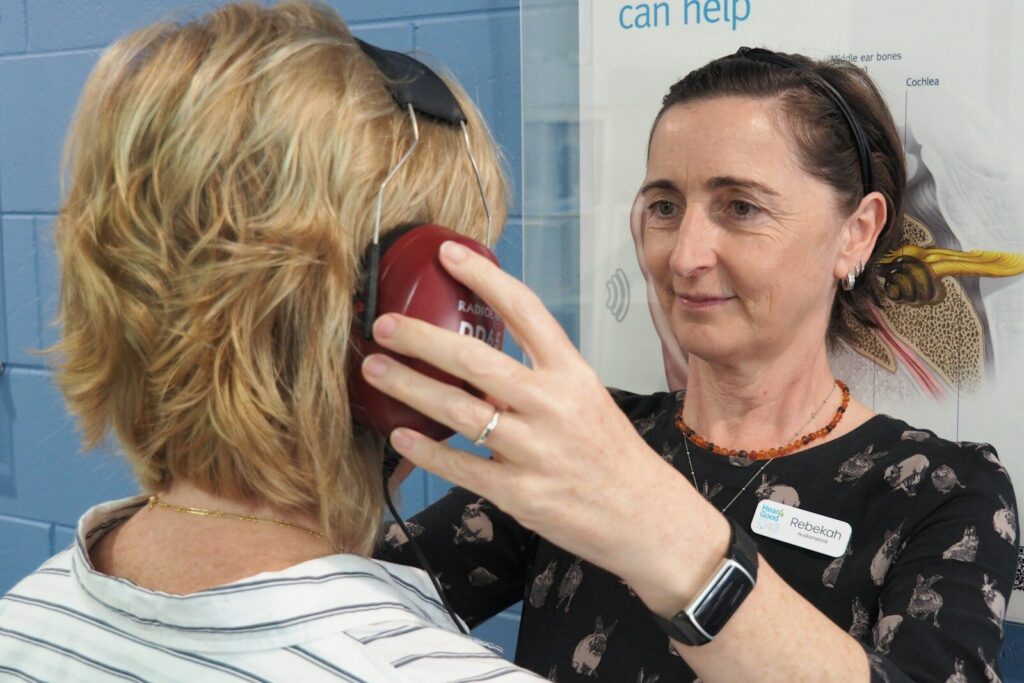
A sensory impairment affects one or more of the body’s senses, most commonly vision or hearing. It may develop gradually through ageing, result from illness or injury, or be present from birth. At Celeste Care, we support individuals living with visual impairment, partial sight, blindness, hearing impairment, deafness, dual sensory impairment (deafblindness), progressive sensory conditions and sensory loss associated with neurological conditions. As every individual’s experience is unique, our care is carefully adapted to meet their personal needs, abilities, preferences and aspirations.
At Celeste Care, we focus on each person’s strengths rather than their limitations. Before support begins, we take time to understand preferred communication methods, the level of sensory impairment, daily routines, personal goals, mobility needs, home environment, family involvement, social interests, and cultural or religious preferences. Using this information, we create a personalised support plan that promotes independence, confidence, safety and overall wellbeing while adapting as needs evolve.
People living with sight loss often benefit from practical support that enables them to continue managing daily life safely and independently. Our carers assist with navigating the home safely, organising household items consistently, reading correspondence, shopping, preparing meals, managing medication, attending appointments, accessing the community, improving mobility and encouraging independence with everyday activities. We always encourage individuals to remain as independent as possible while providing the right level of support whenever it is needed.
Effective communication is essential for maintaining independence, confidence and emotional wellbeing. Our carers support people with hearing impairments by speaking clearly and at an appropriate pace, facing the individual during conversations, using written communication where appropriate, supporting communication devices, respecting preferred communication methods, encouraging social interaction and reducing communication barriers. Where individuals use sign language or other specialist communication methods, we ensure our approach remains respectful, effective and centred around their individual preferences.
People living with both sight and hearing loss often require highly personalised support to remain safe, independent and connected to others. Our care focuses on effective communication, orientation within the home, assistance with daily living, emotional reassurance, promoting confidence, maintaining independence, encouraging community participation and reducing social isolation. Every support plan is developed in close partnership with the individual and their family to ensure it reflects their unique circumstances and goals.
Communication is at the heart of person-centred care. Our carers adapt their approach by using clear verbal communication, allowing extra time for conversations, confirming understanding, using visual or written prompts where appropriate, supporting communication technology and respecting each individual’s preferred communication methods. By adapting communication to suit individual needs, we help people remain actively involved in decisions about their care and everyday life.
Creating an accessible environment can significantly improve confidence, safety and independence. Our carers help identify potential hazards, organise belongings consistently, support the use of assistive technology, encourage independence within the home, promote safe mobility and assist with accessing community services. Where adaptations or specialist equipment are required, we work alongside occupational therapists and other healthcare professionals to ensure individuals receive the most appropriate support.
Our respectful personal care service includes support with washing, bathing, dressing, grooming, toileting, continence care, oral hygiene, skin care and mobility assistance. Every aspect of personal care is delivered with dignity, privacy and sensitivity while encouraging individuals to remain as independent as possible.
We provide practical assistance with everyday activities, including meal preparation, shopping, laundry, housekeeping, medication support, managing appointments and household organisation. Our goal is to make daily life more manageable while helping individuals maintain confidence, independence and control over their routines.
Remaining active within the community plays an important role in maintaining emotional wellbeing and quality of life. We encourage and support participation in social groups, clubs, hobbies, religious and cultural activities, volunteering, shopping trips, medical appointments, leisure activities and family visits. By reducing isolation and encouraging meaningful engagement, we help individuals remain connected to the people and activities that matter most.
To ensure coordinated, high-quality care, we work closely with GPs, community nurses, audiologists, ophthalmologists, rehabilitation officers, occupational therapists, physiotherapists, social workers and hospital discharge teams. Through collaborative working and regular communication, we ensure care remains responsive, safe and aligned with each individual’s changing needs.
Receiving support at home enables individuals to remain in familiar surroundings while benefiting from personalised one-to-one care, consistent communication, greater independence, flexible care packages, increased confidence, reduced isolation and continued involvement in their local community. Home provides comfort, familiarity and stability, allowing tailored support to fit naturally into everyday life.
Families and professionals choose Celeste Care because we provide compassionate and experienced carers, personalised support plans, flexible home care services, respect for individual communication preferences, a strong focus on independence, close partnership with healthcare professionals, reliable and responsive care, and an unwavering commitment to dignity, inclusion and accessibility. We believe every individual deserves the opportunity to live independently, make informed choices and participate fully in their community.
Sensory Impairment Support provides personalised care for people living with visual, hearing or dual sensory impairments, helping them remain independent, safe and connected to their community.
Yes. We provide tailored support for individuals with dual sensory impairment, adapting care to meet their communication and daily living needs.
Absolutely. Our carers can accompany individuals to appointments, assist with shopping and support access to community activities.
Yes. We tailor our communication methods to each individual, ensuring they remain involved in every aspect of their care.
Yes. We regularly review care plans and adapt services as needs and circumstances evolve.
Our Sensory Impairment Support service works seamlessly alongside many of our other specialist care services to provide comprehensive, person-centred support as needs change. Depending on individual circumstances, clients may also benefit from Physical Disability Support, Complex Care, Stroke Rehabilitation Support, Personal Care, Live-in Care, Companionship Care, Supported Living, and Hospital Discharge Care, allowing us to deliver coordinated care that promotes independence, safety and long-term wellbeing.
At Celeste Care, we understand that sensory impairments affect everyone differently. Our Sensory Impairment Support service is designed to remove barriers, promote independence and provide compassionate assistance that enables individuals to live confidently in their own homes and communities. Whether you require occasional support or ongoing daily care, our experienced team is committed to helping you maintain your independence, dignity and quality of life.